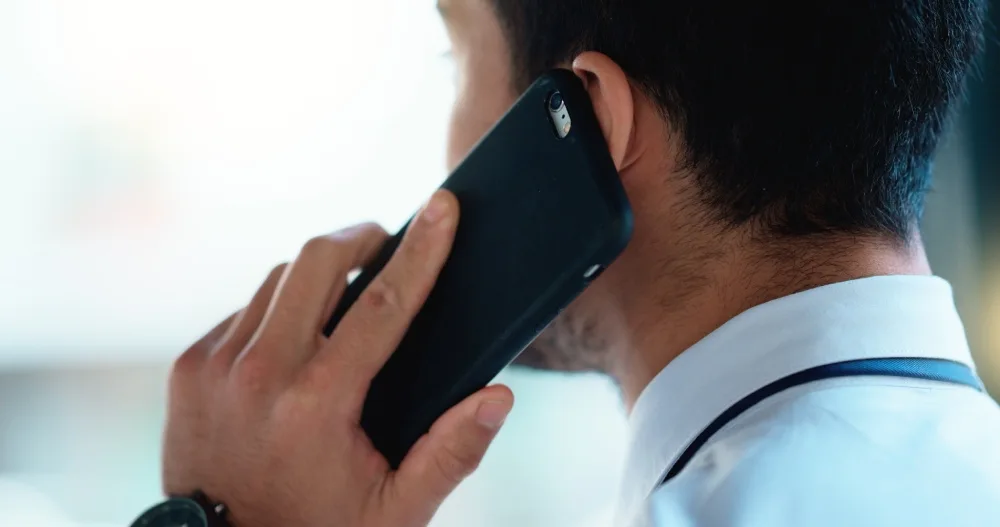

The call comes late in the day. A voice that sounds exactly like a grandchild, a son or a sibling says that something has gone wrong: an accident, an arrest, a lost wallet in another city. The speaker is frightened and asks for money to be sent immediately. For decades, this kind of call relied on a vague, muffled voice and a cover story about a cold or a bad connection. With cheap voice cloning, the voice itself can now be convincing.
What the consumer guidance says
The Federal Trade Commission’s page on family emergency scams describes the classic version, in which a caller pretends to be a grandchild or other relative in urgent trouble. A 2023 alert it cites describes a “grandson” who says he wrecked a car and was jailed, and then asks for money. The page says that scammers use artificial intelligence voice cloning to make a family member’s voice sound real, which makes requests for money or information more convincing, and that scammers may ask the target to wire money or buy gift cards.
Local reporting on the FTC’s warning, such as this WDIV report from March 2023, adds detail on how the technique works. According to the report, scammers clone a familiar voice with AI and call a relative, often a parent or grandparent, pretending to be in an emergency and urging them to send money right away. A short recording, which can come from a video or other content posted online, is enough, and once the voice is cloned the software can be made to say almost anything. The FTC says these scams particularly target older people.
Why the voice is not evidence
The emotional logic of the scam is simple. A person who hears a loved one in distress does not stop to examine the audio. They respond. The call is designed to prevent examination, with urgency, secrecy and often a request not to tell other family members. Voice cloning removes the one clue that used to give the game away.
The FTC’s advice, as reported, is blunt: “do not trust the voice.” Instead, hang up and call the person back on a number you already know is theirs. If you cannot reach them, contact another family member or their friends to check the story. And treat the payment method as a clue: requests to wire money, send cryptocurrency, or buy gift cards and read out the card and PIN numbers are red flags, because these methods make it hard to get money back. Scams can be reported at ReportFraud.ftc.gov.
Habits that make families harder to fool
People who have thought about the call in advance cope with it better. A few agreed habits help:
- Agree a family check. Some families choose a code word or a question that only they could answer, and use it whenever money is requested in an emergency.
- Always call back. End the call and ring the person on the number saved in your phone, not one the caller gives you.
- Slow the conversation down. A real relative in trouble can wait two minutes while you check.
- Check with a second person. A parent, partner or friend may be able to confirm where the relative is.
- Think about what is public. Short clips of a voice posted online are enough to copy it, so consider who can see family videos.
- Report the call, even if nothing was lost.
For the person most likely to be called, a short, calm conversation with a younger relative in advance can be the most effective protection. It is much easier to agree on a plan when nobody is panicking.
Looking at the number after the call
A call like this often leaves people shaken and unsure whether it was real. A reverse lookup tool such as Searqle offers a free phone number search which, according to the company, returns the likely owner’s name, spam and scam scores, location and carrier information. Looking up the number that called, without dialling it, can show whether it has been flagged, and whether the region and carrier fit the story the caller told. A call that claimed to come from a relative’s phone but traces to an unfamiliar carrier or region is one more reason for doubt.
The limits are important, and in this context they are easy to forget. A caller using a cloned voice can also display a spoofed number, including the genuine number of the relative being imitated. In that case, a lookup would show a perfectly ordinary person, and the result would be false reassurance. A clean result therefore proves nothing about a call about an emergency. Results also vary by country and can be out of date, and a scam score does not explain why it was given. This is why the call-back rule matters more than any lookup: it works even when the number on the screen is genuine. Searqle states that it is not a consumer reporting agency, so results should not be used for decisions about credit, housing or employment. The company provides an opt-out page, and the person searched is not notified.
What to do if money has been sent
Speed matters. Contact the bank or payment service immediately and explain what has happened, report the incident at ReportFraud.ftc.gov, and tell the family so that others are warned. People who have been deceived should not feel ashamed. These calls are built by professionals to defeat ordinary caution, and a convincing voice would deceive most people.
A rule that survives new technology
Voice cloning will continue to improve, and any description of how convincing it is today will soon be out of date. The rule that protects against it does not depend on the technology. If a call asks for urgent money, hang up and call back on a number you already trust. The extra minute is inconvenient for a genuine relative, and fatal to a scam.