
Every morning, millions of parents drop their kids off at school, wave goodbye, and hold their breath just a little bit. We all wish campus security was not something we had to think about over morning coffee, but that just is not reality anymore. The days of leaving the side doors propped open for recess or letting parents wander the halls freely are long gone.
Keeping students and teachers safe today requires a completely different mindset. It means building a layered defense that starts the second someone drives onto the property and extends all the way into the individual classrooms. If a district wants to get serious about protecting its kids, there are a few practical, non-negotiable upgrades they need to tackle right away.
1- Stop Threats at the Curb
The biggest mistake a school can make is waiting until a threat is already inside the lobby to do something about it. Security needs to start at the perimeter. Placing a highly visible guard booth right at the main driveway fundamentally changes how a campus operates.
Instead of letting anyone park their car and walk right up to the front glass, you have trained personnel stopping and talking to every single driver. It gives your security staff a permanent, climate-controlled spot to vet delivery drivers, check IDs, and turn away people who have absolutely no business being there. Pushing the defensive line out to the street stops problems before they ever get near a student.
2- Ditch the Paper Sign-In Sheets
Once you get past the driveway, the front office has to be a fortress. We need to completely get rid of the old clipboard sign-in sheets. Anybody can scribble a fake name on a piece of paper and walk right past a busy receptionist.
Modern schools need digital visitor management systems. When an adult walks in to pick up a kid or attend a parent-teacher meeting, their driver’s license should be scanned on the spot. These systems instantly run the ID against sex offender registries and check for local custody restrictions. If the system flags them, the interior doors stay locked. If they are cleared, they get a printed photo badge with the date and their approved destination. If a teacher sees someone wandering the math wing without that specific printed badge, they know immediately to call for help.
3- Fix the Classroom Doors
The hardware inside the building matters just as much as the front door. Every single classroom needs to have locks that can be secured from the inside.
It sounds like a basic detail, but in older buildings, teachers often have to physically open their door and step out into the hallway with a key to lock their room during a lockdown. That is incredibly dangerous. Upgrading door hardware so a teacher can secure their room in two seconds without exposing themselves is a critical upgrade.
Beyond that, schools should move to electronic keycards for the staff. If a teacher loses a physical master key, the district has to spend thousands to re-key the whole building to be safe. If they lose a keycard, the IT department just deactivates that specific card with a mouse click.
4- Upgrade to Live-Feed Cameras
Most schools have cameras, but a lot of them are basically useless when it actually matters. Having a grainy, outdated camera system that you have to rewind the next day to figure out who started a fight in the cafeteria does not help you during a live emergency.
Schools have to invest in high-definition IP cameras that cover every single blind spot, including the athletic fields, the back parking lots, and the remote stairwells. The best move a district can make is to give the local police department direct access to those live camera feeds. If something goes wrong, the 911 dispatchers can actually look inside the hallways and tell the responding officers exactly where the problem is located before they even pull up to the school.
5- Layer Your Emergency Communication
When panic sets in, communication usually breaks down immediately. Relying on a crackly overhead PA system that nobody can hear over a noisy gym class is not a solid emergency plan.
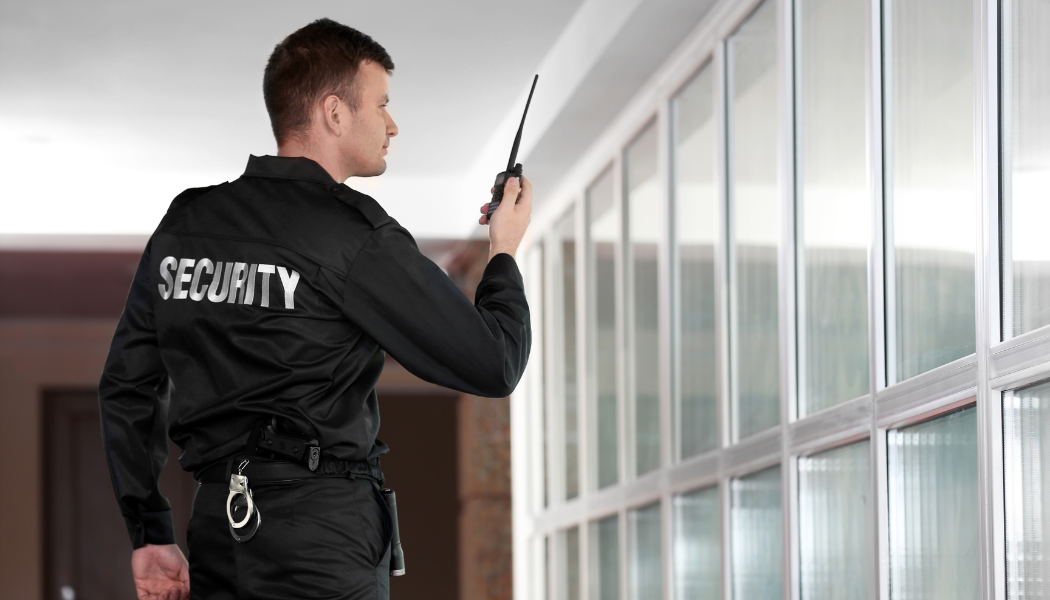
Schools need layered, instant communication tools. This means installing silent panic buttons under the teacher desks, equipping the administrative and security staff with direct two-way radios, and using mass-texting software. If a campus goes into lockdown, that software instantly updates parents via text message so they are not relying on panicked social media rumors to figure out what is happening with their kids.
Upgrading school security is expensive, and it forces communities to have incredibly tough conversations. But it is the only way forward. By pushing the security perimeter out to the street, upgrading the locks, and relying on smart technology to track exactly who is in the building, administrators can take back control of their campuses. Kids just need to worry about passing their math tests, and teachers need to focus on teaching. Building a highly secure environment is the only way to give them the peace of mind to actually do that.