
When securing a commercial property or industrial facility, your perimeter is your first line of defense. A well-built guard shack serves as the nerve center of this entire operation. It isn’t just a shelter to keep your security personnel out of the rain; it’s a dedicated checkpoint that controls who enters and exits your property. However, even the most advanced booth is only as effective as the people operating inside it. If your new hires aren’t properly trained, security gaps will inevitably appear.
Training your employees to use this space efficiently ensures that your facility remains secure, organized, and welcoming to authorized guests. Let’s look at a few practical ways to train your security team to operate their post effectively.
Familiarize Them with the Technology
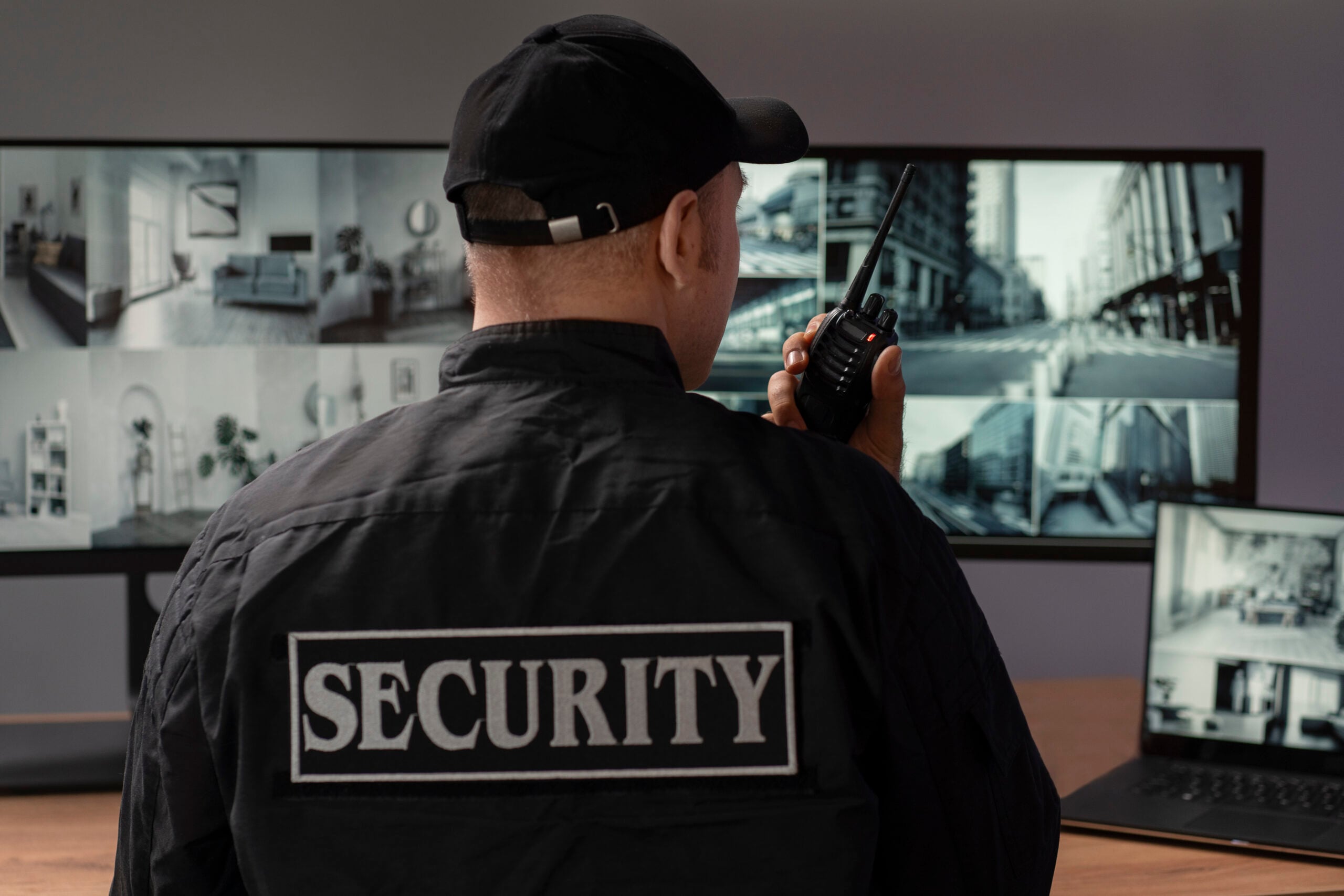
The days of a guard simply holding a clipboard and waving cars through are long gone. Today, these booths are packed with technology. Your first step in training should be a thorough walkthrough of all the equipment. Show them exactly how to operate the boom gates, how to access the perimeter camera feeds, and how to use the visitor management software.
Don’t just point at the buttons; have them practice entering a dummy visitor into the system while you watch. They need to understand how to toggle between camera angles and how to quickly pull up archived footage if an incident occurs at the gate. If there’s an emergency panic button, make sure they know exactly where it is and when it is appropriate to use it. Familiarity with the tools prevents panic when a real issue arises.
Establish Clear Access Control Protocols
The primary function of a security checkpoint is to control access. Your training must clearly outline the exact protocols for different types of visitors. Your guards need to know the specific procedure for logging in a daily employee versus a one-time delivery driver or a corporate guest. Create a simple, step-by-step checklist that stays taped to the desk for easy reference.
Teach them how to properly verify identification credentials and what to do if a visitor refuses to comply with the rules. Roleplay these scenarios during the onboarding process. Pretend to be a frustrated delivery driver who forgot their ID. This helps your new hires practice their response in a controlled environment, ensuring they know how to enforce the rules without creating unnecessary tension at the front gate.
Master Emergency Response Procedures
While you hope an emergency never happens, your staff must be prepared for worst-case scenarios. A security booth is a vital communication hub during a crisis. Train your guards on the specific protocols for medical emergencies, fires, or unauthorized breaches. They need to know who to call first: local law enforcement, the facility manager, or emergency medical services.
Walk them through the lockdown procedures. Show them how to secure the gate and how to safely lock themselves inside the booth if an external threat arises. Keep a laminated list of emergency contact numbers clearly visible right next to the landline or two-way radio base station. When adrenaline kicks in, having those numbers instantly accessible saves precious minutes.
Emphasize Customer Service and De-escalation
Security isn’t just about enforcing rules; it’s also about customer service. Your guards are often the very first people visitors interact with when they arrive at your facility. Their demeanor sets the tone for the entire property. Train your staff to greet everyone professionally, even when dealing with difficult individuals.
Teach them basic de-escalation techniques. If a visitor becomes upset because they aren’t on the approved entry list, the guard needs to know how to calmly explain the policy and resolve the situation peacefully. A calm, polite approach usually diffuses tension much faster than a combative tone. Remind them that they represent the face of your company, and a respectful attitude goes a long way in maintaining a secure but welcoming environment.
Maintain a Clean and Organized Workspace
A cluttered workspace leads to a distracted mind. When a security booth is filled with trash, leftover food wrappers, and disorganized paperwork, important details fall through the cracks. Make workspace maintenance a core part of your training program.
Establish clear expectations for how the booth should look at the start and end of every shift. Incoming guards should wipe down the counters, organize the physical visitor logs, and ensure all radio batteries are charging properly before the next shift arrives. A clean, organized environment helps the guard stay focused on the monitors and the driveway, rather than looking around for a missing pen or a misplaced clipboard.
Commit to Ongoing Education
Training your security personnel takes time and patience, but tfhe payoff is a secure, smoothly running facility. By focusing on technological proficiency, clear access protocols, emergency readiness, and professional customer service, you empower your team to do their jobs effectively. Don’t treat training as a one-time event. Conduct regular refresher courses and update your protocols as your company grows and threats evolve. When your guards feel confident in their training, your entire property benefits from a higher standard of safety.