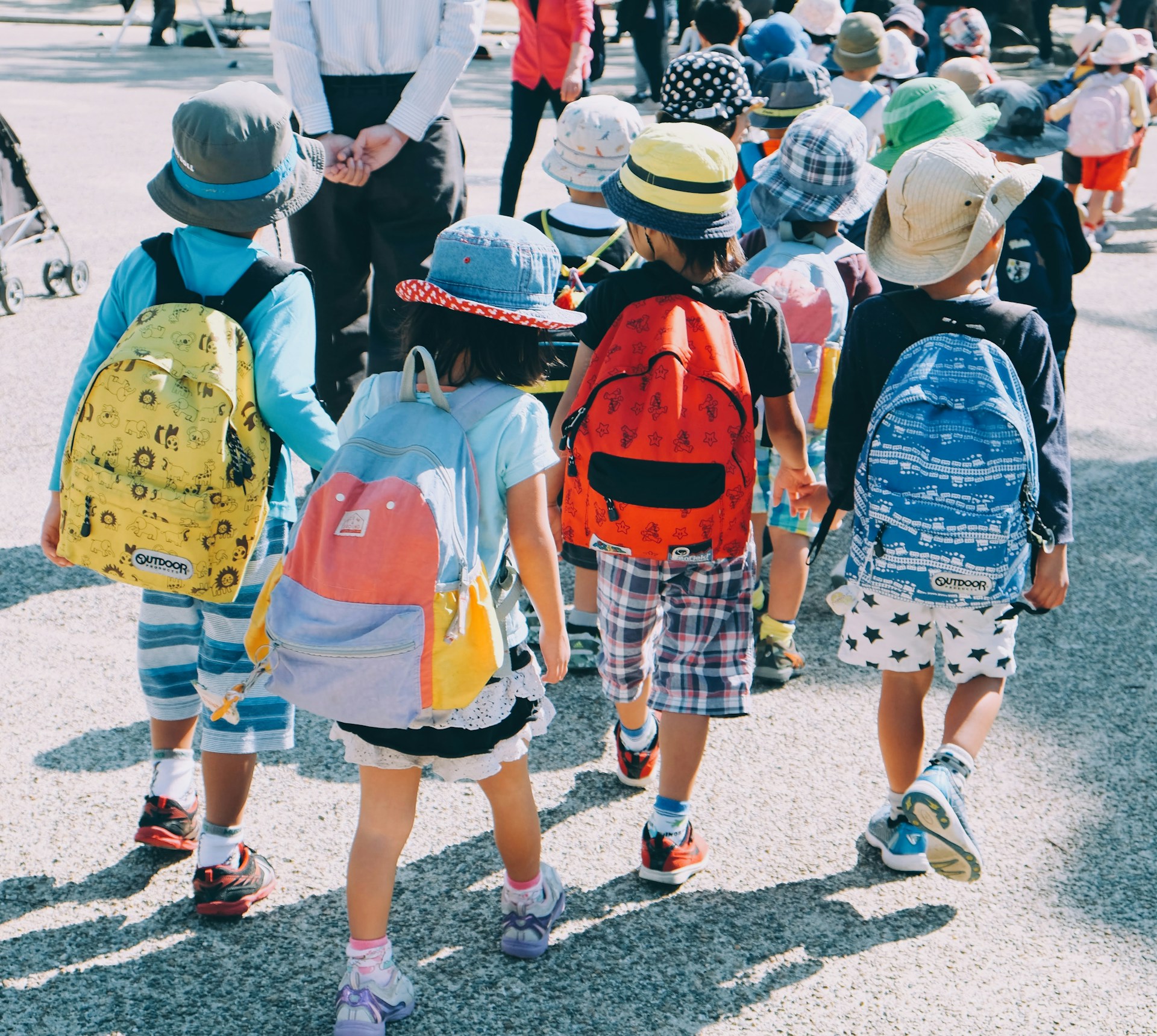

Late summer brings a familiar ritual for parents and students alike: the back-to-school shopping rush. Store aisles fill with fresh notebooks, shiny new pens, and an endless array of colorful backpacks. While we usually focus on the latest styles or the fun characters printed on a lunchbox, we rarely stop to think about how these everyday items actually stay in one piece.
Kids put their gear through a lot of stress. Backpacks get tossed across gym floors, uniforms endure countless recess falls, and pencil cases are stuffed to the brim. Surviving a full academic year requires more than just standard fabric. The secret to durability lies in the components you don’t readily notice. Manufacturers rely on high-quality industrial sewing supplies to craft the gear that withstands the daily playground grind. From specialized threads to reinforced zippers, these professional-grade materials are the true backbone of your back-to-school haul.
Holding the Load: The Engineering of a Backpack
A student’s backpack is their mobile locker. On any given day, it holds textbooks, a laptop, a water bottle, gym shoes, and a crumpled permission slip. That is a significant amount of weight pulling at the seams. If a manufacturer used the standard cotton thread found in a home sewing kit, the straps would snap by the second week of September.
To combat this, factories use bonded nylon or polyester threads. These synthetic threads feature a special coating that prevents them from fraying or breaking under stress. When workers assemble the shoulder straps, they use complex bar-tack stitching patterns. This specific stitch concentrates strong thread in high-stress areas, ensuring the strap doesn’t rip away from the main bag when a child swings it over one shoulder. Additionally, the zippers on these bags are secured using thick, robust tapes and threads designed to handle being yanked open and slammed shut several times a day.
Uniforms and Gym Clothes Designed for Movement
Children aren’t known for sitting perfectly still. Between physical education classes, recess, and just navigating the crowded hallways, their clothing takes a serious beating. School uniforms and athletic wear need to stretch, bend, and resist tearing.
Creating these durable garments requires specific commercial materials. For instance, the seams on gym shorts or uniform trousers are usually finished with an overlock or serge stitch using specialized spun polyester thread. This type of thread offers a slight stretch, which keeps the seam from popping when a student bends down to tie their shoe or jump for a basketball.
Beyond just the thread, the elastics used in waistbands are commercial-grade. They retain their stretch through dozens of hot laundry cycles, ensuring the clothes fit just as well in May as they did in August. Even the buttons on a standard polo shirt are attached using industrial button-sewing machines that wrap the thread around the base of the button, creating a secure anchor that won’t easily unravel if it gets snagged on a locker door.
Securing the Small Accessories
The need for professional-grade sewing materials doesn’t stop at clothing and bags. Think about the smaller accessories like insulated lunchboxes, soft-sided pencil cases, and lanyard straps. These items require precision manufacturing.
A lunchbox, for example, combines multiple layers of material: an outer fabric, an insulating foam layer, and a waterproof inner lining. Stitching through these thick, distinct layers requires specialized industrial needles that won’t bend or snap, paired with high-tensile threads that bind the layers tightly to prevent leaks. Hook-and-loop fasteners, commonly used on younger students’ shoes and art folders, are also stitched into place using tough synthetic threads, so they don’t peel away after repeated opening and closing.
Keeping the Production Lines Moving
Creating millions of back-to-school items in time for the fall semester is an enormous logistical challenge. Factories run tight schedules, and they simply can’t afford delays. Using high-quality commercial sewing components is just as much about manufacturing efficiency as it is about the final product’s durability.
If a factory uses subpar thread, it snaps constantly in the fast-moving industrial machines. Every time a thread breaks, the operator has to stop the machine, rethread the needle, and fix the ruined seam. This slows down production and increases operational costs. By utilizing strong, continuous filament threads and premium needles, manufacturers keep their lines running smoothly. This efficiency helps keep the final retail cost of those backpacks and uniforms affordable for parents while ensuring the gear is tough enough to last all year.
Appreciating the Hidden Details
The next time you’re packing up a fresh backpack for the first day of school, take a close look at the stitching along the straps or the reinforced seams on a new pair of uniform pants. There is a whole world of commercial engineering behind those simple stitches. By utilizing professional-grade materials, manufacturers make sure that a dropped bag or a playground tumble doesn’t spell the end of your new gear. These durable components work silently in the background, keeping everything together so students can focus on learning rather than worrying about a broken strap.
For more coverage on this topic, see related articles on our publishing site.