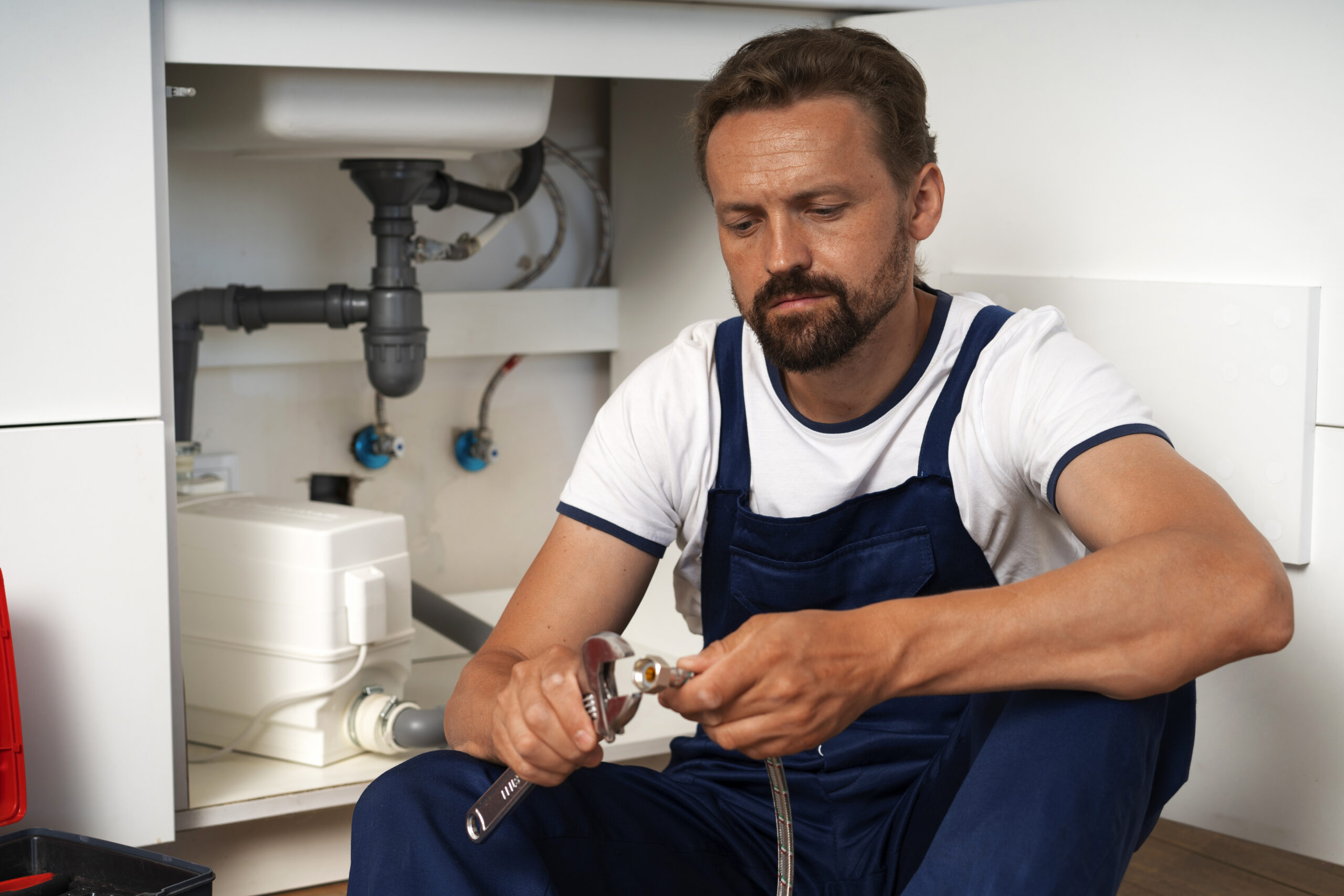

Every homeowner has a mental checklist of things they are actively ignoring. The squeaky floorboard, the peeling paint on the back deck, and—most dangerously—the bathroom sink that randomly drips in the middle of the night. It is incredibly easy to convince yourself that a tiny water issue isn’t a real emergency. After all, if the living room isn’t actively flooding, why spend the money to fix it?
Here is the brutal reality of homeownership: water is the single most destructive force inside your house. It rots drywall, breeds black mold, and destroys hardwood floors with terrifying speed. What starts as a $50 fix on a Tuesday usually turns into a $5,000 drywall and flooring nightmare by Sunday.
If you want to protect your equity and your sanity, you have to stop treating early warning signs like background noise. Getting ahead of the curve and calling a professional for minor plumbing repairs is not an unnecessary expense; it is the most effective insurance policy you will ever buy against catastrophic water damage.
Here is exactly how to stop minor pipe problems from spiraling entirely out of control.
1. Respect the Harmless Drip
A dripping bathroom faucet seems like a minor annoyance. You just close the bathroom door so you don’t have to hear it hitting the porcelain, but that rhythmic dripping is a massive red flag.
First, you are literally pouring money down the drain. A fast drip can waste hundreds of gallons of water a month, needlessly jacking up your utility bill. Second, and more importantly, a constant drip means the internal seals, O-rings, or cartridges inside the fixture have completely failed. If you let it go, the constant water friction will eventually score and permanently ruin the metal valve seat itself. What could have been a cheap, ten-minute washer replacement suddenly forces you to rip out and replace the entire expensive fixture.
2. Step Away from the Chemical Drain Cleaners
When the shower water starts pooling around your ankles, the immediate knee-jerk reaction is to drive to the hardware store and buy the heaviest, most toxic jug of liquid drain cleaner on the shelf. You pour it down the drain, it bubbles aggressively, and the water eventually goes down. You think you won, but you didn’t.
Chemical drain cleaners do not dissolve the solid mass of hair, grease, and soap scum deep in your pipes. They just burn a tiny, temporary hole right through the center of the sludge. Worse, those harsh chemicals generate intense heat. If you have older PVC or aging metal pipes, that acid will literally warp, melt, and eat through the plumbing joints inside your walls. If your drains are running slowly, the blockage is only getting bigger. You need a mechanical fix—like a professional drain snake or hydro-jetting—to actually extract the blockage before the pipe backs up raw sewage into your bathtub.
3. Investigate the Ghost Flush
You are sitting in the living room reading, and you hear the guest bathroom toilet randomly start filling with water, even though nobody is in there. This is called a “ghost flush,” and ignoring it is a massive financial leak.
This happens when the rubber flapper at the bottom of the toilet tank deteriorates, warps, or gets covered in hard mineral buildup. Water silently leaks from the tank into the bowl, and when the tank’s water level drops low enough, the fill valve automatically kicks on to replace it. A running toilet can silently waste thousands of gallons of water in a single month. It is the number one reason homeowners get a shock when they open their municipal utility bill. Replacing a flapper or a fill valve is a microscopic investment compared to paying for water you never actually used.
4. Know Where Your Main Shut-Off Valve Is Right Now
The absolute fastest way a minor plumbing issue spirals into a five-figure insurance claim is simple panic.
When a washing machine hose violently bursts, or a pipe freezes and snaps in the wall, water sprays at high pressure. You have exactly thirty seconds to stop the flow before your baseboards, drywall, and carpets are ruined. If you are frantically running around the basement or out to the street with a flashlight trying to figure out how to turn the house off, you have already lost.
You must locate your main water shut-off valve today. Make sure it isn’t rusted or stuck. Show every adult in the house exactly where it is. Taking ten minutes on a dry Sunday afternoon to locate this valve is the ultimate fail-safe against a total plumbing disaster.
Respect Your Plumbing System
Plumbing systems do not heal themselves. A leak never spontaneously dries up, and a clog never magically clears itself. The longer you wait to address a water issue, the more expensive the collateral damage becomes. Stop treating your home‘s warning signs like minor inconveniences. Address the small drips, respect the slow drains, and bring in a professional before you are forced to rip out your drywall to fix a problem that could have been solved with a wrench.