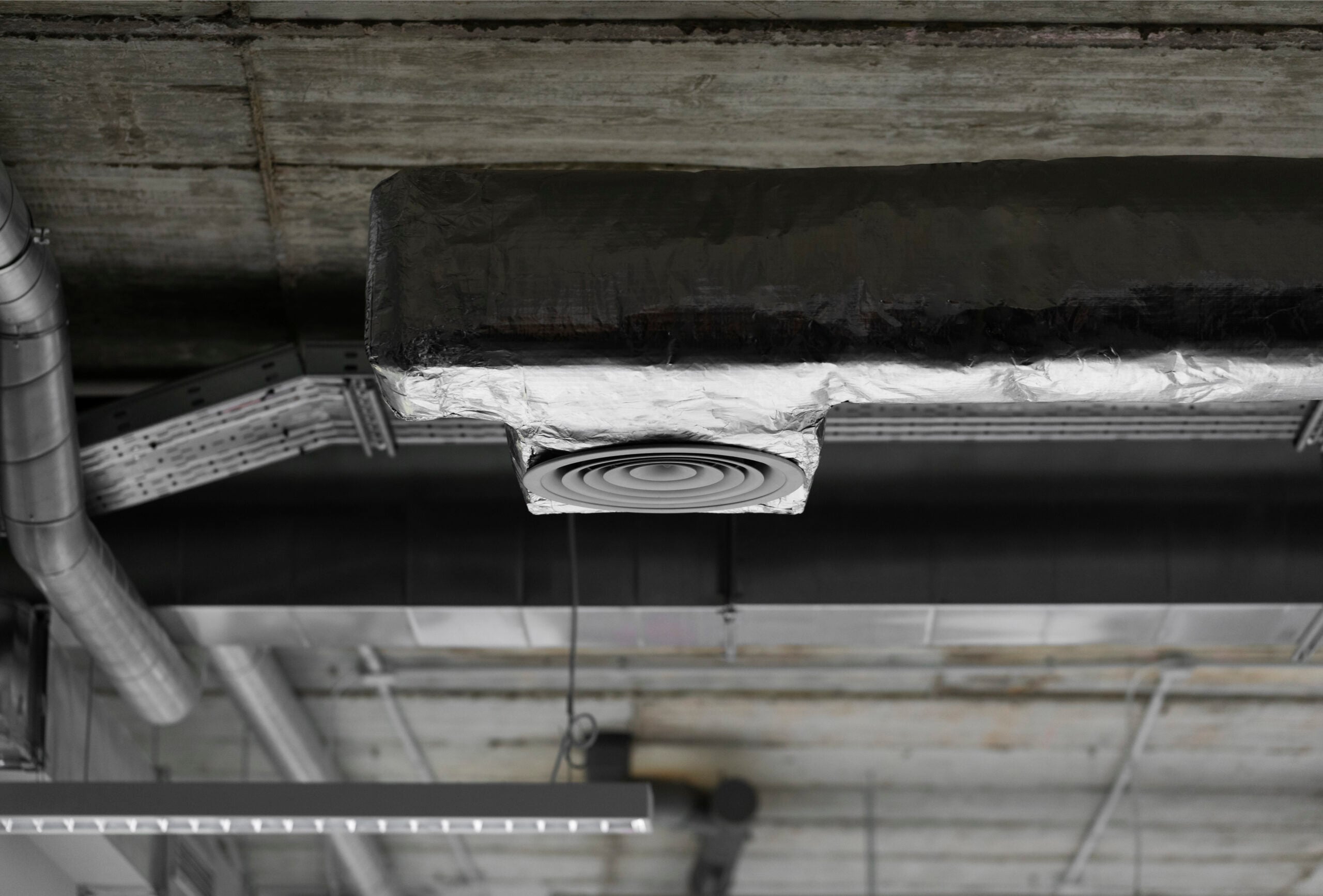

We all know the feeling of walking into a perfectly air-conditioned office building on a brutal summer afternoon. You feel the crisp air instantly, but you probably never give a second thought to the heavy machinery making it happen.
Keeping a massive commercial property comfortable isn’t as simple as installing a really big window unit or dialing down a thermostat. It takes serious math, spatial planning, and a deep understanding of how air actually behaves. That is exactly why developers bring in a professional engineering firm long before the foundation is even poured.
Mechanical designers act as the architects of a building’s respiratory system, ensuring everything runs smoothly behind the ceiling tiles. Let’s look at the actual science required to keep a commercial space perfectly chilled, safe, and energy-efficient.
Figuring Out the True Heating and Cooling Needs
Before anyone starts drawing ductwork on a blueprint, the team has to figure out exactly how much heating and cooling the building truly needs. You cannot just guess based on the square footage of the floor plan. Mechanical experts dive into the laws of thermodynamics to run what is called a load calculation. They look at the building’s physical orientation to see how much raw solar heat will bake through the south-facing windows at three o’clock in the afternoon.
They also evaluate what is happening inside the rooms. A packed server room generates a ton of heat and needs a completely different cooling strategy than a quiet basement storage area or a sprawling front lobby. Nailing this initial math ensures the equipment is perfectly sized for the job. If a rooftop chiller is too small, it will run all day long without ever hitting the target temperature, eventually burning out the motors. If it is too big, it blasts cold air for five minutes, shuts off quickly, and leaves the room feeling sticky and humid because it never runs long enough to pull the moisture out of the air.
The Balancing Act of Moving Air
Pushing thousands of cubic feet of air through a multi-story building is a surprisingly tough challenge. Air acts like a fluid, and shoving it through long metal tubes naturally creates resistance. Designing the duct layout is a really delicate balancing act of pressure and speed.
If the metal ducts are drawn too narrow, the air is forced to move way too fast. This turns your office vents into noisy wind tunnels that distract everyone trying to work or hold a meeting. On the flip side, if the ducts are too wide, the air speed drops entirely, and the cold air never actually reaches the far corners of the room. Designers calculate the exact static pressure of the entire network. They select blower motors strong enough to push the air all the way from the roof to the ground floor without creating annoying drafts or loud whistling noises in the ceiling.
Breathing Safe and Clean Air
Controlling the temperature is really only half the job. A healthy building needs a constant, reliable supply of fresh outside air to keep everyone alert and safe. Without proper ventilation, a crowded conference room quickly fills up with carbon dioxide. This is exactly what leads to afternoon headaches, fatigue, and a huge drop in workplace productivity.
The design team figures out exactly how much outside air needs to be pulled inside to meet strict safety and building codes. However, you cannot just pump raw winter air directly onto someone’s desk. In January, that freezing air has to be heated first. In August, the heavy humidity has to be stripped away before it enters the building. Experts use advanced filters and moisture control systems to scrub the incoming air of pollutants, dust, and allergens, making the indoor environment much cleaner than the street outside.
Squeezing Out Every Bit of Energy Efficiency
Commercial HVAC networks pull a massive amount of electricity. A poorly planned layout will cost a property owner tens of thousands of wasted dollars every single year. Today, mechanical design focuses heavily on squeezing every bit of efficiency out of the equipment.
Instead of relying on old-school machines that just blast at full speed and then shut down, professionals use variable speed drives. These modern motors ramp up and down smoothly, matching their energy output to exactly what the building needs in that specific moment. They also design clever systems that capture the ambient heat from the stale exhaust air leaving the building and use it to warm up the fresh air coming in. These smart design choices drastically slash utility bills and help developers meet tough environmental standards without sacrificing indoor comfort.
Making the Pieces Fit
Finally, all of this heavy equipment has to actually fit inside the building. An HVAC network shares the tight, dark space above the drop ceiling with heavy plumbing pipes, high-voltage electrical trays, and structural steel beams.
A mechanical designer has to coordinate very closely with the architects to make sure the massive air handlers fit inside the utility rooms without causing structural issues for the roof. They use three-dimensional modeling software to safely route the ductwork around the plumbing lines, making sure nothing physically clashes before the construction crews start cutting metal on the job site. This kind of proactive planning prevents hugely expensive delays and messy rework during the actual construction phase.